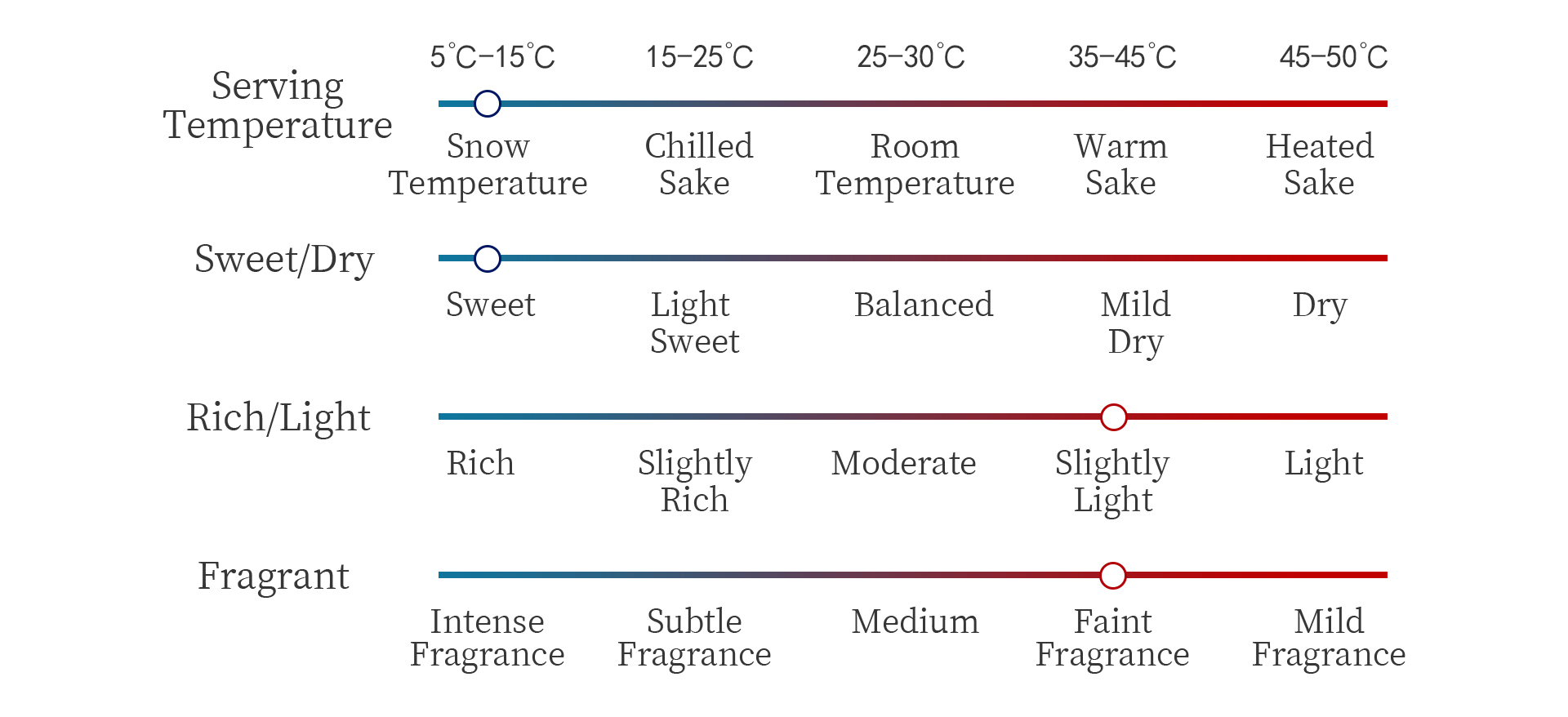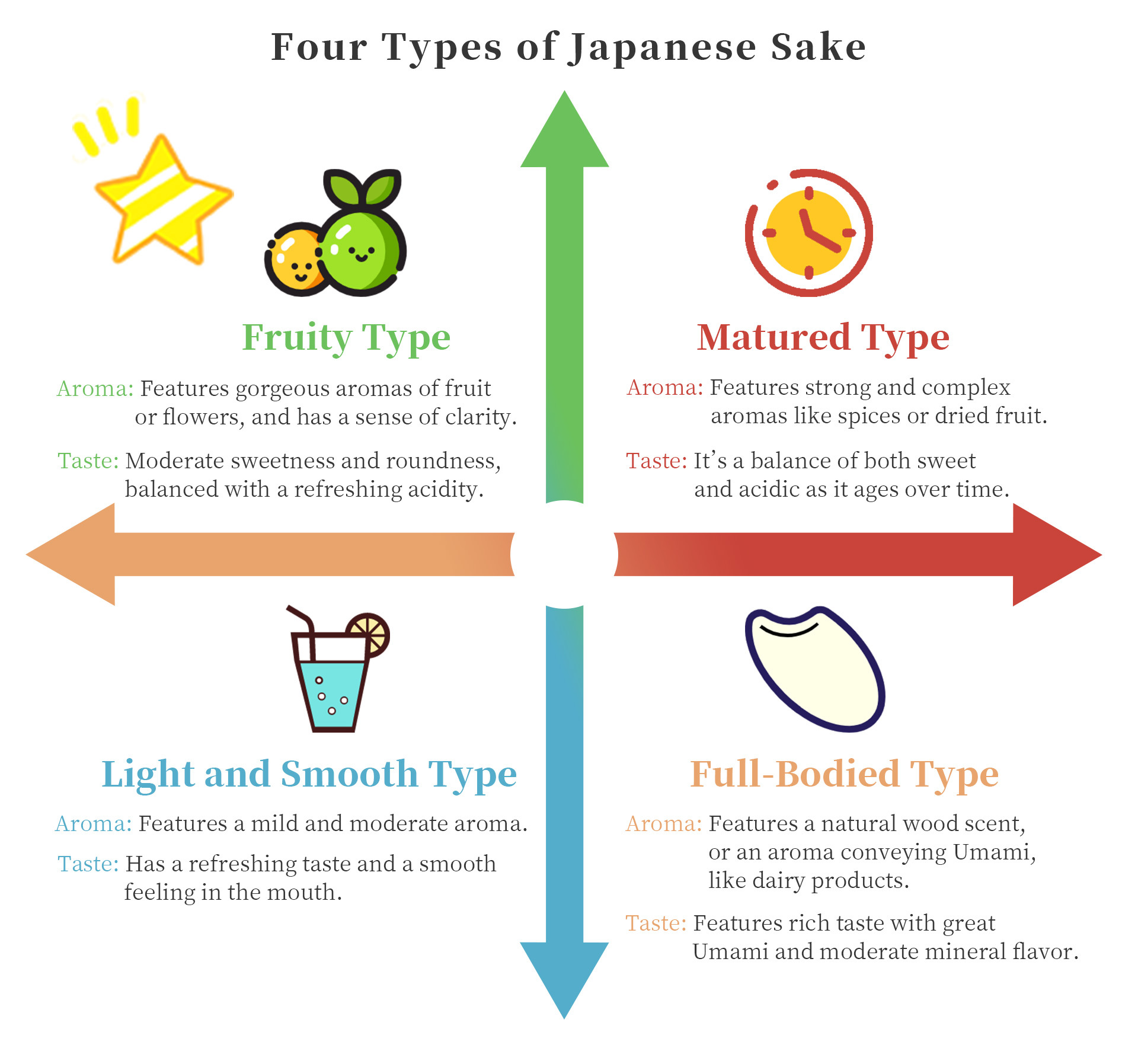
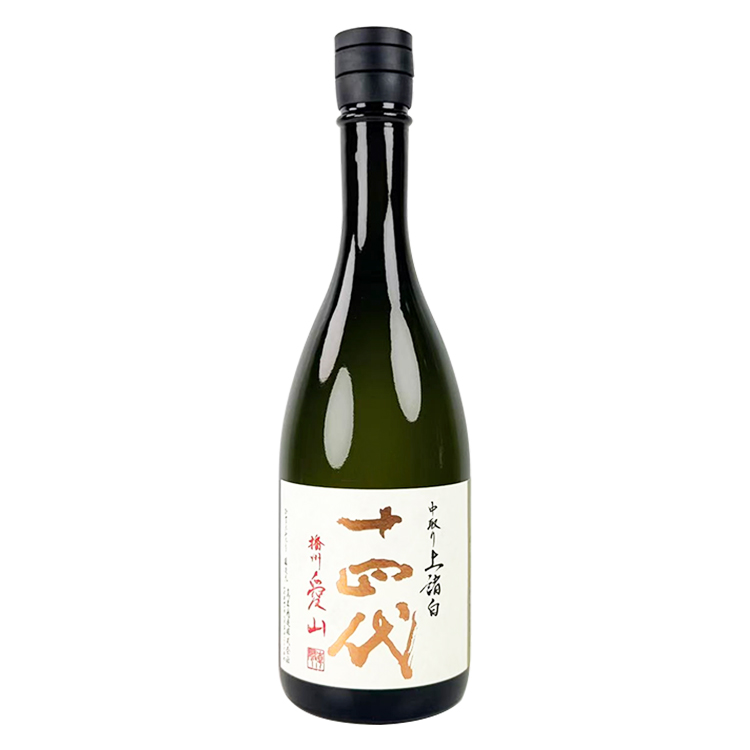
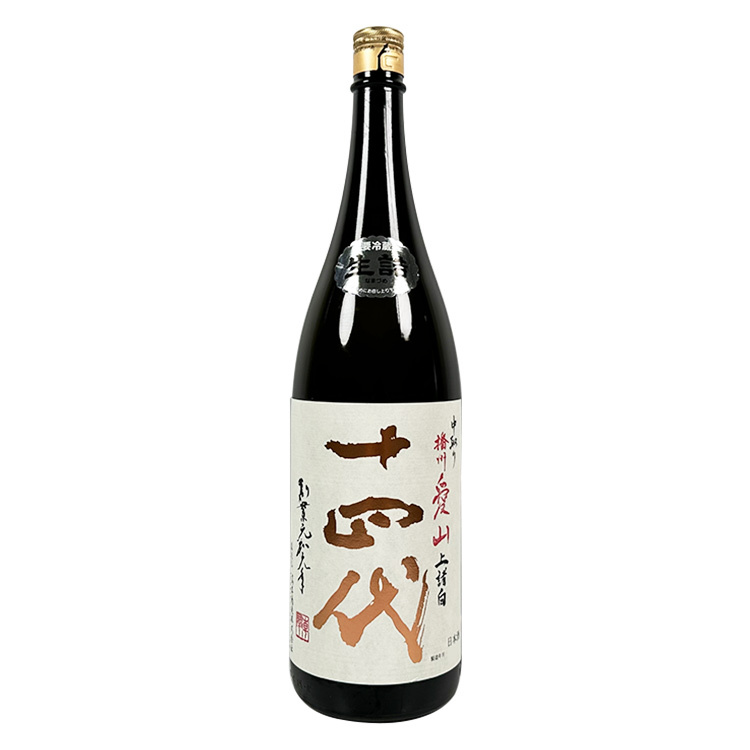
The aroma is light and subtle, with a fruity scent that is pleasing and intoxicating. When entering the mouth, there is a sweet taste of pear that lingers. Then, the rich flavor of the sake rice gradually appears. The aftertaste has a hint of bitterness, but it also has depth, making the mouthfeel more rich. Such a sweet aroma swirls in the mouth, incredibly beautiful.
During the sake-making process, it is divided into three stages: "ararashi", "naka-to", and "oshi-kiri" . First, the sake bags containing the lees are stacked gradually and pressure is applied from above to extract the lees. The initial liquid extracted from the sake bags is called "ararashi", with a lower alcohol content and a clear liquid. In the "tsuhi" stage, the liquid extracted from the sake bags is called "naka-to", and the final liquid extracted is called "oshi-kiri". In short, "naka-to" refers to the refined sake liquid obtained by removing the initial and final parts of the lees during the extraction process.
During the sake-making process, it is divided into three stages: "ararashi", "naka-to", and "oshi-kiri" . First, the sake bags containing the lees are stacked gradually and pressure is applied from above to extract the lees. The initial liquid extracted from the sake bags is called "ararashi", with a lower alcohol content and a clear liquid. In the "tsuhi" stage, the liquid extracted from the sake bags is called "naka-to", and the final liquid extracted is called "oshi-kiri". In short, "naka-to" refers to the refined sake liquid obtained by removing the initial and final parts of the lees during the extraction process.
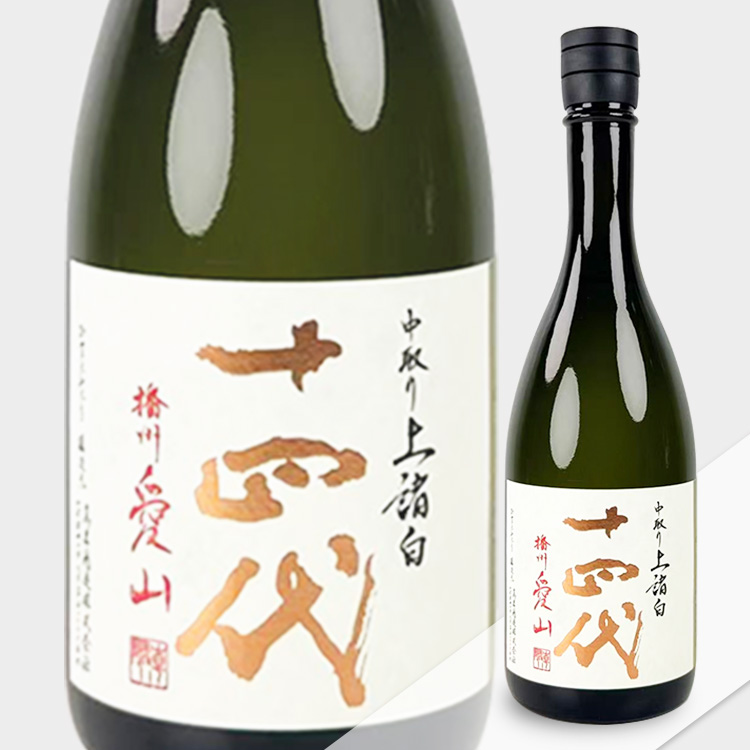
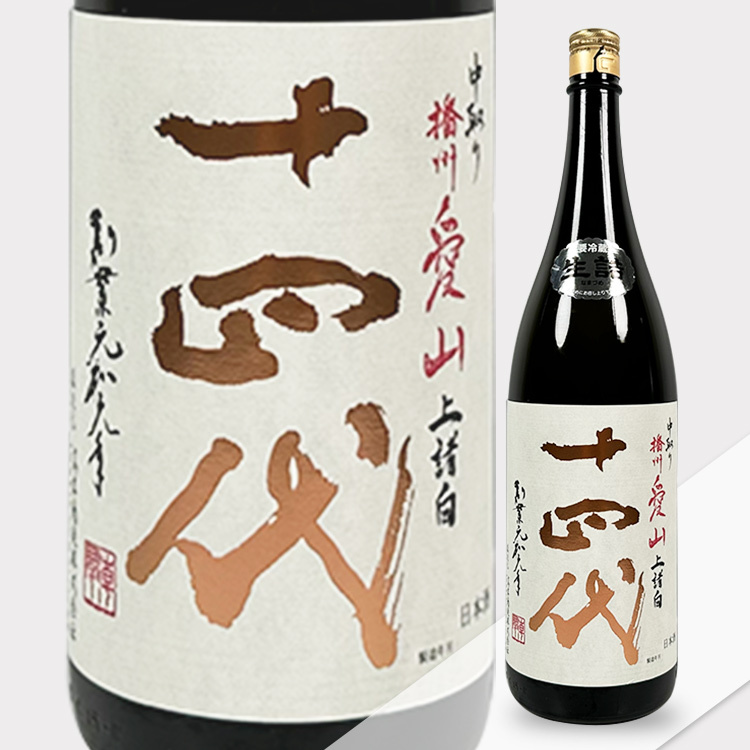
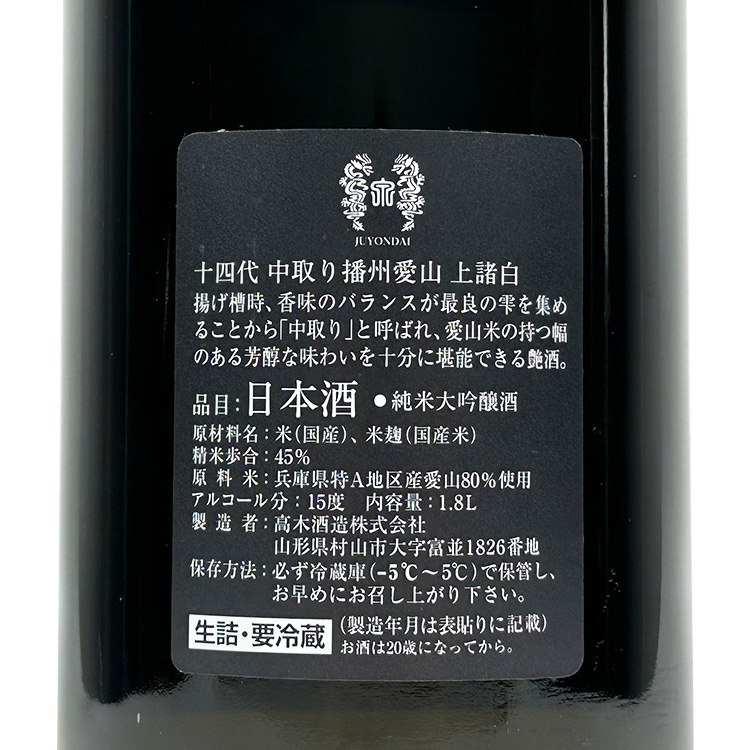
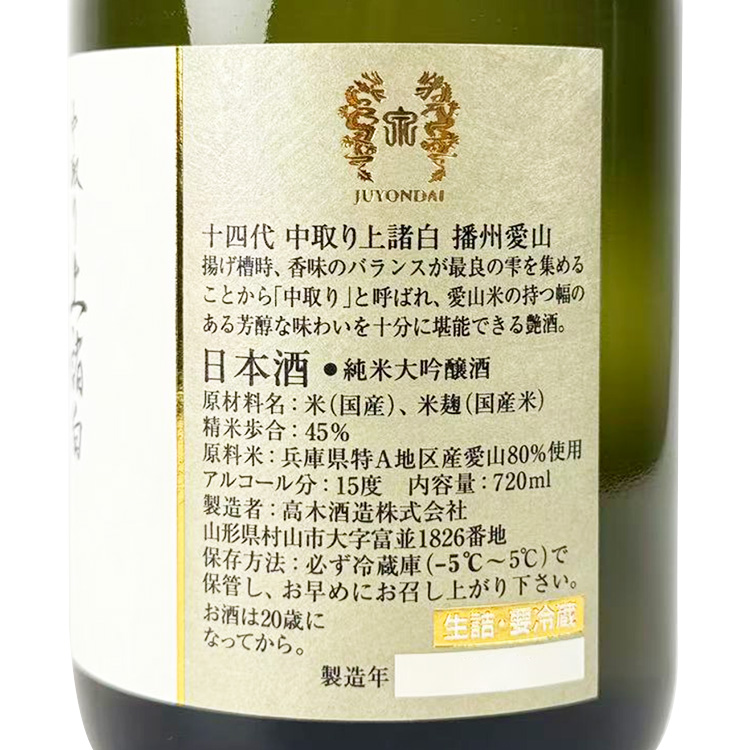
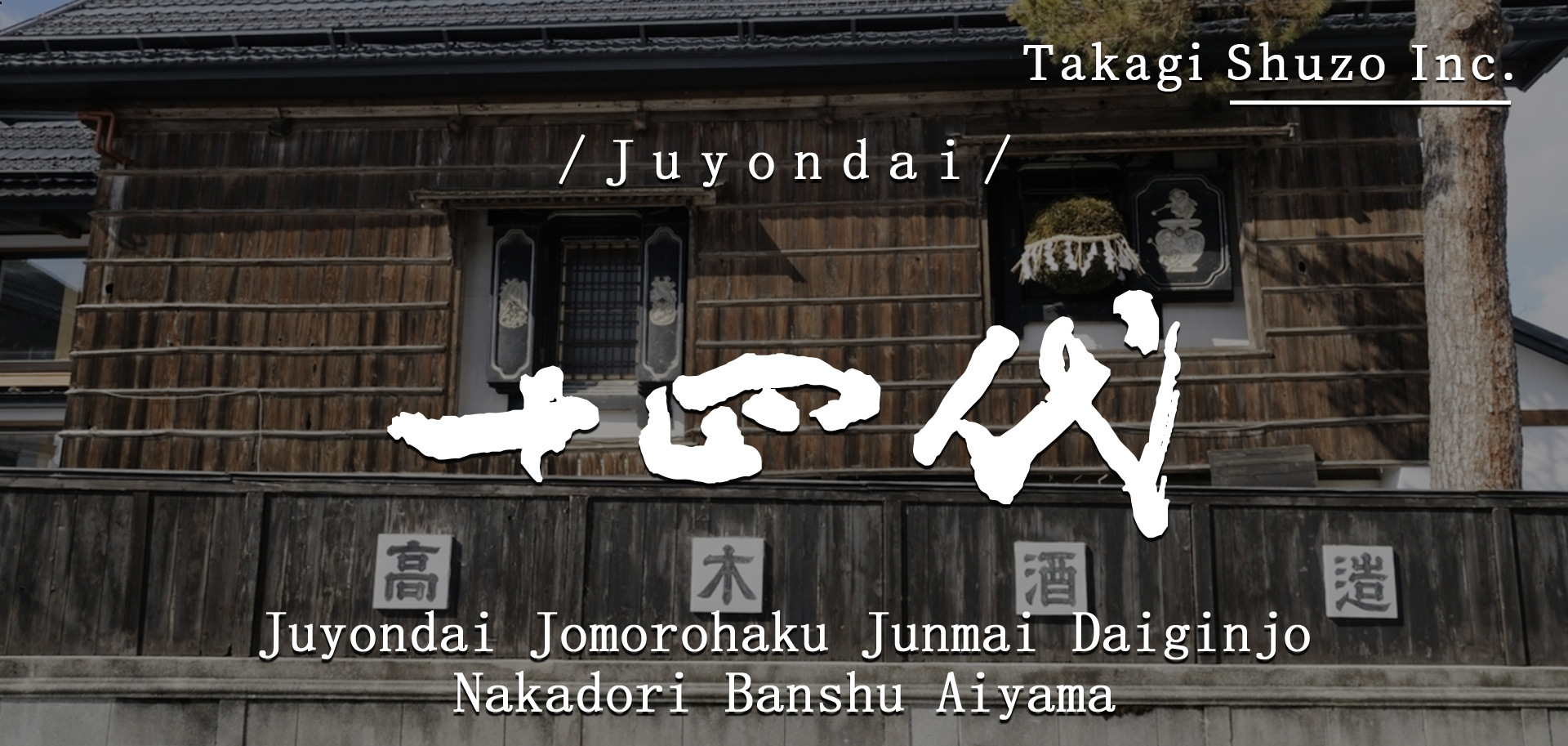
Product Name: Juyondai Jomorohaku Junmai Daiginjo Nakadori Banshu Aiyama
Grade: Junmai Daiginjo
Polishing Rate: 45%
Rice Type: Banshu Aiyama
Alcohol: 15%Vol
Brewery Prefecture: Yamagata Takagi Shuzo Inc.